
Nyanga, Zimbabwe – A Comprehensive Overview
Situated in the Eastern Highlands along the border with Mozambique
Geography & Location
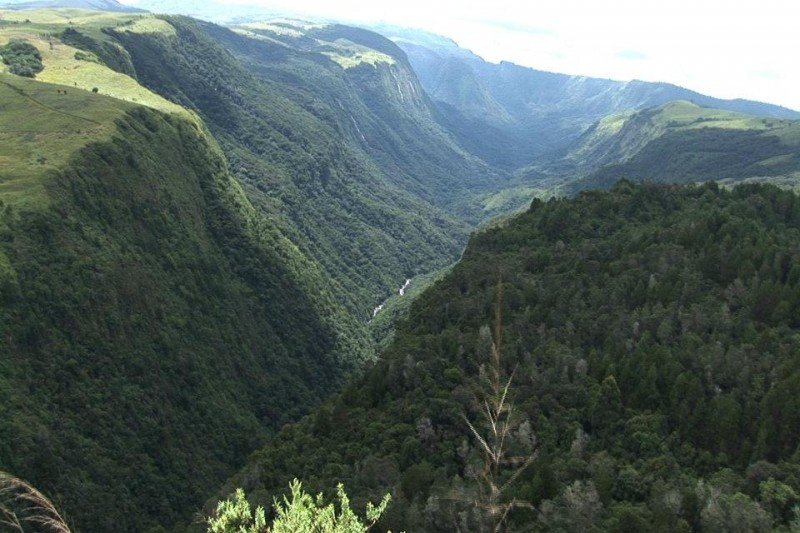
Nyanga lies approximately 265 km east of Harare and about 115 km north of Mutare. The area is characterized by rolling mountains, deep valleys, rivers, and extensive grasslands. The district shares its eastern boundary with Mozambique and forms part of Zimbabwe’s Eastern Highlands mountain range.
- Elevation ranges from approximately 1,800m to over 2,500m above sea level.
- Home to Zimbabwe's highest mountain, Mount Nyangani, standing at 2,592 metres.
- Contains Zimbabwe's highest waterfall, Mutarazi Falls, with a drop of approximately 762 metres.
- Features numerous rivers, dams, forests, and trout-filled streams.
Nyanga is one of Zimbabwe’s most scenic and historically significant districts, located in the eastern part of the country within Manicaland Province.
Key Characteristics
Nyanga has evidence of human settlement dating back over 1,500 years. The region contains extensive archaeological remains associated with the ancient Nyanga Culture, including:
- Stone terraces
- Pit structures
- Fortified settlements
- Ancient irrigation systems
- Stone pathways
These ruins represent one of the most sophisticated pre-colonial agricultural systems in Southern Africa.
During the colonial era, the area attracted European settlers due to its cool climate and agricultural potential. Historical records show that Cecil Rhodes considered Nyanga one of the most beautiful regions in Southern Africa.
Nyanga enjoys one of the coolest climates in Zimbabwe due to its high altitude.
- Cool summers with temperatures typically between 15°C and 22°C.
- Cold winters, occasionally experiencing frost.
- Annual rainfall between 1,500mm and 2,000mm, among the highest in Zimbabwe.
- Frequent mist and cloud cover, especially during the rainy season.
This climate supports agriculture, forestry, and year-round tourism.
Highlights
Tourism & Attractions
Consits of Zimbabwe's highest peak and a favorite destination for hikers and adventure enthusiasts
Vegetation
Montane grasslands, Indigenous forests, Protea species, Evergreen riverine forests, Pine and wattle plantations
Wildlife
Common species include:Eland, Bushbuck, Duiker, Klipspringer. The region is also a birdwatcher's paradise with over 300 recorded bird species.
Forestry
Large commercial plantations of pine and wattle contribute significantly to the local economy.
Agriculture
The cool climate supports: Apples, Peaches, Pears, Potatoes, Tea & Dairy farming
Real Estate
The district has become increasingly attractive for holiday homes, retirement properties, and eco-tourism investments.